What a Patrol Visit Consists Of
The value of a patrol is in the checklist the officer works through at each stop, not in the drive-by.
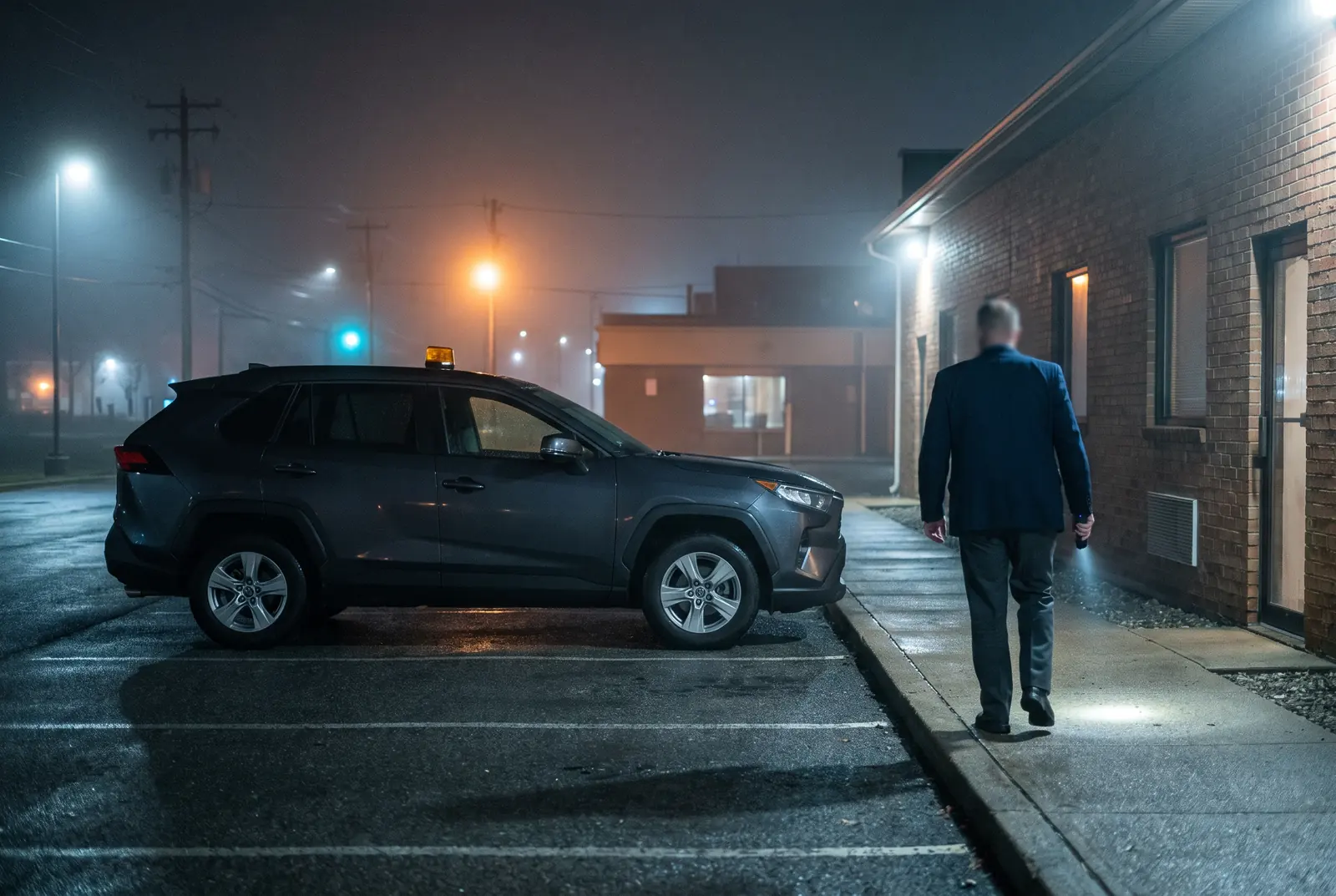
A patrol visit is a short, structured inspection. The officer arrives, covers the exterior, checks doors and windows, looks at the lighting, notes the vehicles in the lot, and records what was found. If the agreement includes it, the officer also locks or unlocks the building, walks a vacant interior, or confirms a gate is secured. Then the visit is written up and the officer moves to the next property.
Visits can be scheduled at fixed times, which suits lock and unlock service, or randomized within a window so the pattern is harder to predict. Most accounts use both. What patrol does not provide is continuous presence. Between visits the property is unattended, and a client who needs someone on site all night should be looking at a fixed post.
What Officers Do on This Assignment
Exterior Inspection
- Drive the perimeter and walk the areas a vehicle cannot reach
- Check doors, windows, gates, and dock doors for security
- Inspect exterior lighting and report outages
- Look for forced entry, vandalism, graffiti, and illegal dumping
- Note leaks, sounding alarms, and other visible hazards
Lock, Unlock, and Vacant Property
- Lock buildings, gates, and common areas at closing time
- Unlock at the opening time the client sets
- Confirm restrooms, amenity rooms, and common spaces are clear before locking
- Walk vacant buildings or units on the schedule the owner or insurer asks for
- Check unoccupied and seasonal properties for weather damage and signs of entry
Parking and Grounds
- Observe lots for abandoned or unauthorized vehicles
- Compare vehicles to the client's permit or tenant list where one exists
- Ask loiterers to leave private property under client policy and call police where warranted
- Check dumpster enclosures, loading areas, and rear lots
- Provide a visible marked-vehicle presence during the visit
Documented Reporting
- Record arrival and departure times for each visit
- Note each checkpoint and the condition found
- Photograph damage or hazards where the post orders call for it
- Submit incident reports for anything needing the client's attention
- Notify the emergency contact under the escalation list
Building the Checklist, the Schedule, and the Route
Scoping a patrol account starts with the address, because the first question is whether we can serve it on a route that makes sense. Then we walk the property and build the checklist: which doors, which gates, which lights, which lots, what gets locked and when, and who is called for what. The post orders set the number of visits per night, the time windows, whether checks are scheduled or randomized, and how findings reach you.
Alarm response is a separate question. It is offered only where routes and staffing allow, and it never comes with a guaranteed arrival time. When it is part of an agreement, the officer's role is to observe the exterior, report what is seen, and meet police or the keyholder. If alarm response matters to you, raise it during scoping so we can tell you what is realistic for your location.
A Small State Still Has Long Drives
Rhode Island is compact, but patrol routes are shaped by where properties cluster. The commercial corridors of Warwick, Cranston, Providence, Pawtucket, and East Providence sit close together along Interstates 95 and 195. The rural towns to the west and south, Aquidneck Island, and Jamestown add bridge crossings or long stretches of two-lane road. That is why route availability is confirmed address by address.
Season changes what gets checked. Summer brings beach traffic and full lots in the shore towns. Winter brings vacant seasonal homes and closed businesses in places like Narragansett, Charlestown, and Westerly, where frozen pipes, storm damage, and signs of entry are the reason for the visit. After coastal storms and heavy snow, road and bridge conditions may delay or reroute patrols, and the reports will say so.
Block Island is not part of any patrol route. Island assignments are planned separately around ferry schedules, transportation, and lodging where applicable.
What the Program Includes
- Scheduled or randomized — Visit timing is set in the post orders to suit the property and the concern.
- Lock and unlock service — Opening and closing checks at fixed times for buildings, gates, and common areas.
- Vacant-property checks — Regular documented visits to unoccupied buildings and seasonal homes.
- Written record of each visit — Times, checkpoints, and findings are reported after every stop.
- Route-based availability — We confirm whether your address can be served before quoting.
- Alarm response where offered — Available only on routes and schedules that can support it.
Availability and limits. Mobile patrol is offered subject to route availability and staffing, and not every address can be served. Alarm response is available only where offered, is confirmed during scoping, and carries no guaranteed arrival time. Patrol officers observe and report; they are private security personnel without police powers.
Property Types
- Office parks and commercial buildings
- Retail plazas and shopping centers
- Apartment and condominium communities
- Warehouses and industrial yards
- Vacant buildings and properties for sale
- Seasonal homes and closed businesses
- Construction sites between active phases
- Auto dealerships and storage lots
- Houses of worship and community facilities
Related Services and Coverage Areas
This service is often combined with Construction Site Security, Office & Commercial Security, Estate & Vacation Home Security, Industrial & Warehouse Security. It is frequently requested in Warwick, Cranston, Providence, Pawtucket, East Providence, Johnston, and is available across all 39 Rhode Island cities and towns, subject to staffing and assignment requirements.
Frequently Asked Questions
There is no standard number. A plaza with a loitering problem may want several visits clustered around closing time, while a vacant building may need one documented check a day to satisfy its owner or insurer. We size it to the concern and to what the route can support.
Randomized timing is better for deterrence because it is harder to predict. Scheduled timing is necessary for lock and unlock service and for checks tied to closing. Most post orders combine a fixed lock-up visit with randomized checks overnight.
Only where routes and staffing allow, and only after it has been confirmed for your address during scoping. We do not promise arrival times, and the officer's job on arrival is to observe, report, and meet police or your keyholder.
Each visit is documented with arrival and departure times and the conditions found, and reports are delivered on the schedule set in the post orders. Any verification method beyond written reports is used where specified in the post orders.
For some properties, yes, and at lower cost. It is a poor substitute where access must be controlled continuously, where people are on site overnight, or where an insurer or authority requires a dedicated post.