The Security Plan Follows the Timeline
Every event already has a schedule, and officer positions are built onto it from vendor load-in to the last shuttle.
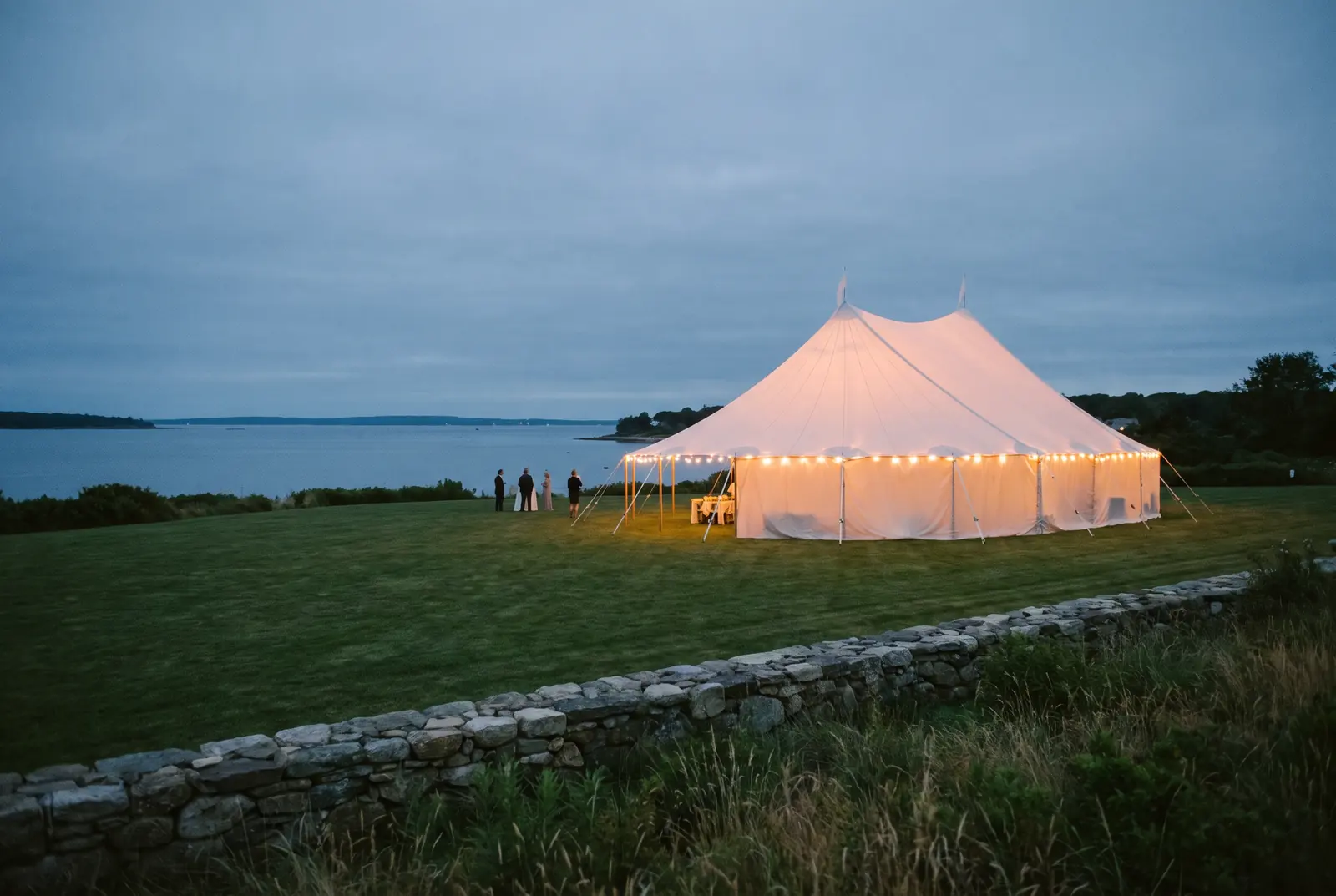
A tented wedding on a Newport lawn and a ticketed festival on a Providence lot have little in common except that both run on a timeline and both get difficult at predictable points: arrival, the busiest hour at the bar, and departure. We place officers around those points. At a wedding that may mean one officer at the drive and one near the tent, dressed to blend in. At a festival it means entry lanes, credential checks, a perimeter, and a supervisor in contact with event management.
Officers at an event work for the host, through the planner or event manager. They check credentials, monitor entries, manage crowd flow, keep vendor access orderly, coordinate parking on private property, de-escalate conflicts, and handle emergency communication. They do not take the place of licensed alcohol-service staff, and they do not replace a police detail where a venue, permit, or municipality requires one.
What Officers Do on This Assignment
Entry and Credentials
- Check tickets, wristbands, guest lists, or invitations at each entry point
- Monitor secondary entrances, service gates, and tent openings
- Turn away uninvited arrivals quietly and refer disputes to the planner
- Apply the host's rules on bags, outside alcohol, and re-entry
- Control access to restricted areas such as green rooms, bridal suites, and catering tents
Crowd Management and Conduct
- Keep entry lines, aisles, and exits moving and clear
- Watch crowd density near stages, bars, and dance floors
- Step in early on arguments and de-escalate before they spread
- Escort a guest out at the host's or manager's direction, calling police where warranted
- Watch gift tables, equipment, and unattended areas
Vendors and Parking
- Check vendors in and out against the planner's list during load-in and load-out
- Keep service drives and emergency access lanes open
- Coordinate guest parking and shuttle drop-off on private property
- Work alongside valet operators and shuttle drivers
- Observe parking areas during the event
Communication and Close-Out
- Stay in contact with the planner or event manager throughout
- Call police, fire, or EMS when needed and guide responders to the location
- Relay weather or safety announcements as event management directs
- Remain through departure and clear the site at the agreed time
- Provide an incident report for anything that occurred
From Site Walk to Event-Day Briefing
We ask for the date, venue, expected attendance, timeline, alcohol service, and any conditions in the venue contract or permit. Where possible we walk the site with the planner to see entrances, the tent or room layout, vendor access, parking, and the route an ambulance would take. The result is a staffing plan: how many officers, where each stands at each stage of the day, what they wear, and who they report to.
Those decisions go into post orders for the event, along with the host's rules on entry, re-entry, and guest removal, and an emergency communication plan naming who calls whom. Officers are briefed on site before doors open. For multi-day festivals and corporate programs, overnight coverage of equipment and staging is planned as a separate shift with its own duties.
Coastal Lawns, Downtown Venues, and Summer Weekends
Much of the demand for event security Rhode Island hosts generate comes from the coast. Tented weddings on private lawns around Newport, Jamestown, Bristol, and the South County shore often have water on one side, a narrow private drive on the other, and neighbors close by. Open waterfront sides need someone watching them, guest parking is frequently off site with shuttles, and the venue contract or permit may set a firm end time. Wind and sudden weather are part of every coastal plan.
Providence venues raise different questions: street-facing doors, shared entrances with other tenants, limited parking, and sidewalks that belong to the public. Officers work the venue's doors and property line, and anything involving the street is a matter for the city and police. Evenings with large downtown events or university functions change how guests arrive and leave.
Summer and early fall weekends book up across the state at the same time, and bridge traffic to Aquidneck Island affects arrival times for staff and guests alike. Block Island weddings and events are planned separately, well in advance, around ferry schedules, transportation, lodging where applicable, and staffing.
What the Program Includes
- Timeline-based staffing — Officer positions change with the stages of the event instead of staying fixed all day.
- Attire to suit the occasion — Suits, blazers, or uniforms are chosen with the host during planning.
- One point of contact — Officers report to the planner or event manager the host designates.
- Private-property parking — Parking and shuttle coordination stays on the venue's property.
- Emergency communication plan — Who calls 911, who meets responders, and who informs the host is decided beforehand.
Availability and limits. Event coverage should be requested as soon as the date is known; summer weekends fill first, and late requests are subject to officer availability, location, licensing, transportation where relevant, and assignment requirements. Parking coordination is limited to private property, and traffic control on public roads may require police details, permits, or other authorization. Security officers do not replace police, EMS, or licensed alcohol-service staff.
Property Types
- Private estates and tented lawn events
- Wedding and banquet venues
- Hotels and function rooms
- Yacht clubs and waterfront venues
- Festivals and outdoor concerts
- Corporate meetings and product events
- Fundraisers and galas
- Community and municipal events on private grounds
- University and alumni functions
Related Services and Coverage Areas
This service is often combined with Hotel & Resort Security, Parking & Traffic Security, Restaurant, Bar & Nightlife Security, Executive Protection. It is frequently requested in Newport, Providence, Bristol, Jamestown, Narragansett, Westerly, and is available across all 39 Rhode Island cities and towns, subject to staffing and assignment requirements.
Frequently Asked Questions
It depends on guest count, the number of ways onto the property, whether parking is on site, and how late the reception runs. Small private weddings are often covered by one or two officers. We give a number after reviewing the venue and timeline.
Yes. Many wedding and corporate hosts prefer officers in dark suits who blend in with staff, while festivals usually want clearly marked uniforms. Attire is agreed during planning.
Some venues, permits, and municipalities do, particularly for large attendance, alcohol service, or anything affecting a public road. That requirement comes from the venue or local authorities, so check with them early. Private officers can work alongside a detail but cannot substitute for one.
They bring it to the planner or host's designated contact and handle it quietly, away from other guests where possible. Decisions about alcohol service stay with the licensed bar staff, and officers call police or EMS if behavior or a medical concern calls for it.
Possibly, with enough lead time. Island assignments are planned separately because ferry schedules, transportation, lodging where applicable, and staffing all affect availability, so contact us as early in your planning as you can.