Who Sets the Requirements, and What the Officer Does
A fire watch is defined by the authority having jurisdiction and the building owner, and carried out by the officer on post.
A fire watch is usually needed because something that normally protects the building is not working, or because a temporary hazard has been introduced. The common triggers are a fire alarm or sprinkler system out of service, hot work such as welding or torch cutting, and construction phases when systems are not yet active or have been shut down. In each case the local fire official or other authority having jurisdiction, together with the owner and sometimes the insurer, decides that a watch is required and on what terms.
Those terms are not ours to set. Patrol frequency, the areas to be covered, the log format, how long the watch lasts, and when it may end are confirmed with the applicable authority and the client before the first shift. We staff the watch and follow the site-specific instructions. We do not certify or guarantee that a building meets any code, order, or permit condition.
What Officers Do on This Assignment
Patrols
- Walk the designated areas at the interval specified for the site
- Cover each floor, stairwell, mechanical space, and room named in the instructions
- Remain dedicated to the watch where the instructions prohibit other duties
- Carry the means of communication the site specifies
- Learn the exits, panel location, and building address during site orientation
Hazard Observation
- Look for smoke, unusual heat, burning odors, and sparks
- Confirm that exits and egress paths are clear
- Note blocked extinguishers, propped fire doors, and stored combustibles
- Observe hot-work areas during the work and for the period afterward that the permit or instructions specify
- Report temporary heaters, damaged wiring, and similar conditions to the site contact
Logs
- Record each patrol round with the time and areas covered
- Use the log format the authority or the client specifies
- Write down hazards found and who was told
- Keep the log on site and available to the fire official
- Hand over open items to the relieving officer at shift change
Notification and Contractor Coordination
- Call 911 at the first sign of fire
- Alert occupants by the method the site instructions specify
- Notify the owner's contact under the escalation list
- Coordinate with contractors on hot-work schedules and the status of impaired systems
- Meet arriving firefighters and direct them to the location
Getting the Instructions in Writing Before the First Round
When a fire watch request comes in we ask what is impaired or what work is under way, which parts of the building are affected, whether it is occupied, what the fire official has directed, how long the condition is expected to last, and who the contacts are for the owner and the contractor. If the authority's direction has not yet been given or is unclear, the client confirms it with the local fire official before we finalize the post.
Those directions become site-specific instructions in the post orders: the patrol interval and route, the log to be kept, the notification steps, and any restriction on the officer doing other work. Each officer is walked through the building before starting, and shifts are scheduled to overlap at handover so the watch is not interrupted. The watch ends when the client confirms the system is restored or the work is complete and the applicable authority's conditions for ending it have been met.
Old Mills, Seasonal Buildings, and Winter Impairments
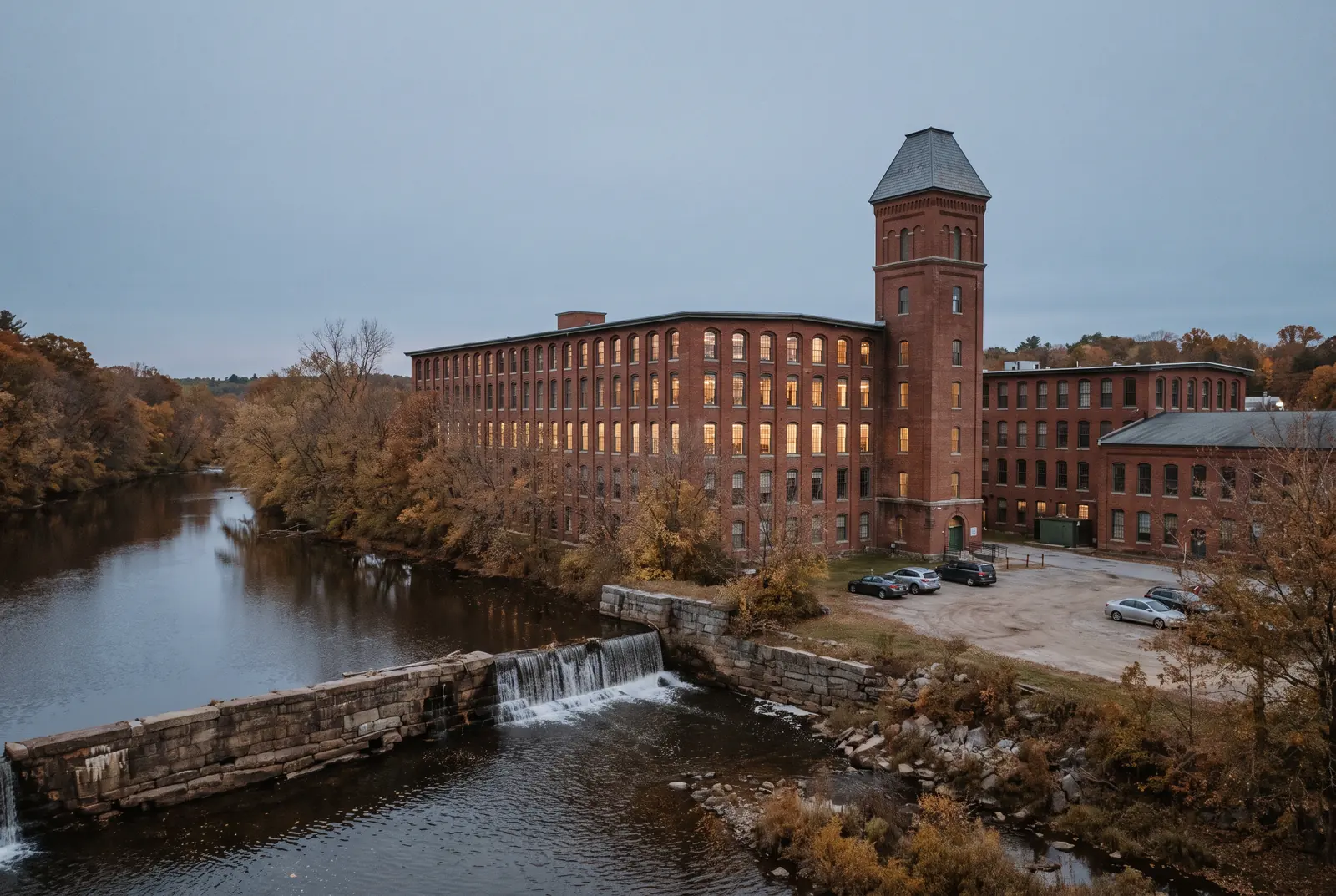
Requests for fire watch Rhode Island owners make often involve old buildings. Former mills in Pawtucket, Central Falls, Woonsocket, and Providence are being renovated in phases, with large floor plates, timber construction, and protection systems that are active in one section and offline in the next. Hot work is routine on these projects, and the patrol route has to be redrawn as the work moves.
Weather drives the rest. A hard freeze can take a sprinkler system out of service in a vacant or partly heated building, and seasonal hotels and inns in Newport and South County often schedule renovations for the off-season when heat is reduced. Coastal storms and extended power outages can impair alarm systems across many buildings at once, which is one reason short-notice availability can never be assumed.
Fire officials are local. Direction for a property in Warwick comes from a different office than direction for one in Westerly, and expectations can differ, so we ask every client to confirm requirements with the official responsible for that address. Block Island fire watch assignments are planned separately around ferry schedules, transportation, and lodging where applicable.
What the Program Includes
- Instructions from the authority — Patrol frequency, log format, and duration follow what the fire official and client specify.
- Dedicated officers — Where required, the fire watch officer has no other duties during the shift.
- Written patrol logs — Each round is recorded and kept on site for inspection.
- Overlapping handovers — Shift changes are scheduled so the watch continues without a gap.
- Contractor coordination — Officers stay informed of hot-work schedules and the status of impaired systems.
Availability and limits. We do not guarantee that a fire watch satisfies any code, order, permit, or insurance requirement. Patrol frequency, log format, duration, and the conditions for ending the watch must be confirmed with the local fire official or other authority having jurisdiction and with the client. Short-notice fire watch is subject to officer availability, location, licensing, transportation where relevant, and assignment requirements, and officers are not firefighters.
Property Types
- Buildings with a fire alarm system out of service
- Buildings with a sprinkler system impaired or drained
- Construction and renovation projects
- Mill and historic building conversions
- Hot-work operations such as welding and cutting
- Hotels and multifamily buildings under repair
- Warehouses and industrial facilities
- Schools, offices, and healthcare buildings during system work
- Vacant buildings awaiting restoration of service
Related Services and Coverage Areas
This service is often combined with Construction Site Security, Emergency & Temporary Security, Industrial & Warehouse Security, Office & Commercial Security. It is frequently requested in Providence, Pawtucket, Woonsocket, Central Falls, Warwick, Newport, and is available across all 39 Rhode Island cities and towns, subject to staffing and assignment requirements.
Frequently Asked Questions
At whatever interval the fire official or other authority having jurisdiction and the client specify for that building. We do not choose the interval ourselves, and it is written into the post orders before the watch begins.
Sometimes. Short-notice coverage is subject to officer availability, location, licensing, transportation where relevant, and assignment requirements, so call 401-289-9900 with the address and what is impaired and we will tell you what we can staff.
Often not. Many fire watch instructions require the officer to be dedicated to the watch, and combining duties can defeat its purpose. If the authority and the client allow it, it is written into the post orders; otherwise a second officer is needed.
If the fire official or your insurer specifies a format, we use it. Otherwise the log records each round with the time, the areas covered, conditions observed, and the officer's name, and it stays on site for review.
When you confirm the system is back in service or the hazardous work is finished, and the conditions set by the applicable authority for ending the watch have been met. We do not end a watch on our own judgment.